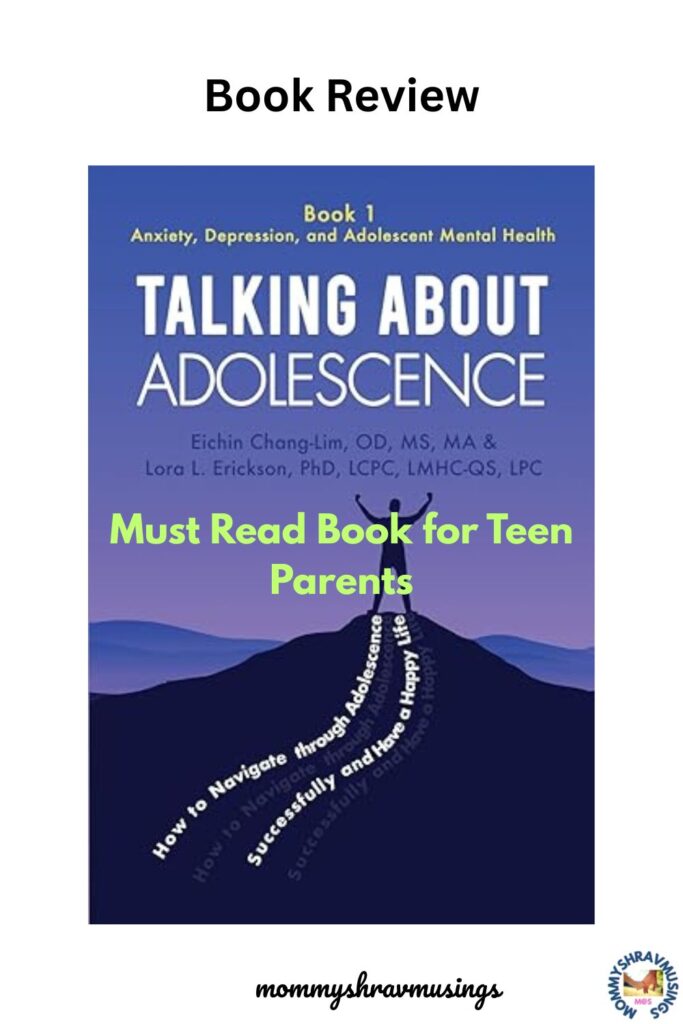
Parenting teens can feel like walking through an unfamiliar forest which is full of surprises, challenges, and hidden lessons. In their book Talking About Adolescence: Anxiety, Depression, and Adolescent Mental Health, authors take parents, educators, and even adolescents themselves on a guided journey through this critical stage of life. And having a preteen at home, I thought that this book will give me some more insights and actually it helped me too.
With compassion, research-backed insights, and practical advice, this book explains what really happens during adolescence and how parents can support their children through it. Authors continuously remind us in this book that –
“You are the one thing in this world, above all other things, that you must never give up on.”
which makes us relate to the teens struggles and their strengths as well.
From the moment I picked up Talking About Adolescence, I felt it was more than just a book about problems—it’s a guide, a comforting companion for parents who sometimes wonder if they’re doing enough. It doesn’t preach. It listens. It holds out hope.
About the Book:

Title of the Book: Talking About Adolescence: Book 1: Anxiety, Depression, and Adolescent Mental Health
Authors: Eichin Chang-Lim and Lora L. Erickson
Pages: 374
Publisher ? : ? MindStir Media (8 November 2023)
Available on: Amazon, Books Wagon
Book Blurb:
Are you looking for help navigating the ups and downs of being a teenager? Do you have a son or daughter going through growing pains? Hoping to avoid the pitfalls of emotional, psychological, and social challenges unique to young adults? As two experts in the field, multi-award-winning author Eichin Chang-Lim, OD, MS, MA and international psychologist Lora L. Erickson, PhD, LCPC, LMHC-QS, LPC have come together in a crucial collaboration. And now they’re here to share how you can take charge and live your best life.
My Thoughts on Talking about Adolescence:
The authors don’t gloss over anxiety, depression, or adolescent fear. They acknowledge the mess, the tears, the late night worries. Knowing those are normal is itself a gift. In fact, this book expands our understanding of adolescence beyond the teenage years, explaining that it actually spans ages 10 to 25. With brain development continuing into the mid-20s, young people need guidance and patience for much longer than most parents expect. According to the authors –
“Adolescence is the continuing growth period from childhood to adulthood. It begins with puberty and ends with an individual reaching physiological, biological, and neurological maturity.”
The authors tackle the tough realities of anxiety, depression, and stress in teens. They emphasize that mental health struggles are not weaknesses but signals that support and care are needed. The authors recommend different tips and tools for parents and also for teens themselves to use and understand their various emotions.
In fact, they also mention some other websites to research, in case if the parents want to know more information. All their tips are very practical, easy to implement and gentle in nature. From helping teens name emotions to coping strategies, to creating a home where mistakes are okay, the advice is doable. You can start small: a conversation, a check-in, showing up. They always advise the teens that –
“Asking for help is the first step. You are more precious to this world than you’ll ever know.”
What stands out is how much the book emphasizes being there—listening, holding space, staying curious about what your teen is going through. Rather than “fixing,” it teaches parents how to understand. This book stresses the importance of nurturing family bonds and supportive friendships. A listening ear, unconditional love, and open communication can make all the difference.
“Positive adolescent experiences such as having supportive relationships and participating in meaningful activities can lead to improved mental health, higher academic achievement, and greater career success.”
From academic expectations to social media comparisons and peer pressure, teens today navigate an intense landscape. This book provides strategies for parents to help teens manage these challenges without judgment. The authors encourage parents to teach their children coping mechanisms such as mindfulness, journaling, sports, and creative outlets. Resilience, they argue, is built not by shielding teens from failure, but by helping them rise after setbacks.
What I most like in this book is that, even when it talks about hard things, the messages never become hopeless. Instead, the book reminds parents that their presence, love, and understanding are powerful.
Why Parents Should Read This Book?
- It combines scientific research with heartfelt guidance.
- It helps parents understand the real emotional world of teens.
- If you’ve ever latched on to silence in your teen’s room and wondered, “What’s behind this?”, this book helps you see what might be happening—but gently, not with alarm.
- It equips families with practical tools to handle stress, anxiety, and depression.
- Also, if you feel overwhelmed by what you can’t change (school pressure, social media, peer groups), it reassures you about what you can change—your responses, your listening, your steadiness.
- Most importantly, it reminds us that adolescence is not just a turbulent phase, but a powerful time of growth and self-discovery.
- Lastly, if you want to raise a child who knows their worth—regardless of grades or popularity—this book gives you ways to show that worth every day.
Few things to keep in mind:
- While there’s a lot of wonderful insight, some chapters might feel dense if you’re reading late at night or in between errands. It helps to take breaks, reflect, maybe journal responses or conversations you want to have.
- Some suggestions may seem idealistic depending on your teen’s temperament or background—but I believe even attempting one or two will shift things.
Final Thoughts
If Talking About Adolescence were a friend, it would be the one who listens more than speaks, who acknowledges that the path is rough but believes in the beauty ahead. It doesn’t promise quick fixes, but it does offer hope, and tools, and most importantly, presence.
Because sometimes what a teenager needs most is not advice, but someone who stays—even when they pull away.
I highly recommend this book for parents, caregivers, teachers—anyone who cares for a young person growing up in turbulent times. Let this be your invitation to walk with your teen, not ahead of them, not pushing, but hand in hand.
If you are interested in reading my other reviews and book blogs, you may read them here.
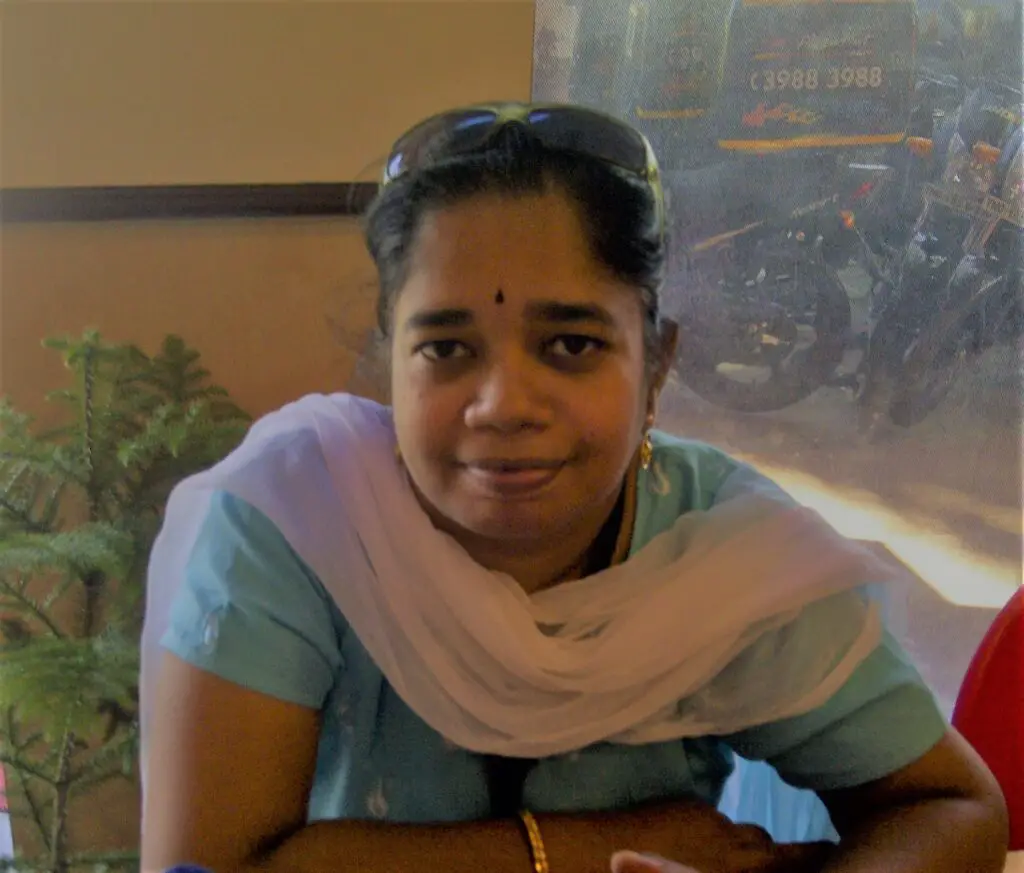
Suhasini, IP, is the Author of the book “Practical Tips for Kids Mental Health.” As a certified kids and parents life coach, she helps/guides you toward a happy family life for your kids. You can join her Free Parenting WhatsApp community: “Simplified Parenting with Suhasini” for more such tips.