Tips to stop being an overprotective parent!
Have you ever found yourself rushing to tie your child’s shoelaces, finishing their homework project, or stepping in before they even get a chance to struggle? If yes, you’re not alone. As parents, we want nothing more than to keep our children safe, happy, and successful. But here’s a gentle question to reflect on: Could your protection sometimes be holding them back?
This is where the fine line between protection and overprotection comes in. And learning how to stop being an overprotective parent can be the greatest gift you give your child’s independence.
As parents, our first instinct is always to protect our children. From the moment they are born, we shield them from harm, cushion their falls, and make sure the world doesn’t hurt them. This protective instinct comes from a place of deep love.
But here’s an important question every parent must pause and ask:
Am I protecting my child too much?
While protection keeps children safe today, overprotection can hinder their ability to learn, grow, and develop the resilience they need for tomorrow.
I remember once seeing a mom at the playground. Her little boy wanted to climb the slide ladder, but she rushed in and kept saying every two seconds, “Careful! Hold tight! Don’t climb too high!” The child eventually stepped down, frustrated. His mom thought she was keeping him safe, but in reality, she was holding him back from learning balance, risk-taking, and most importantly, confidence.
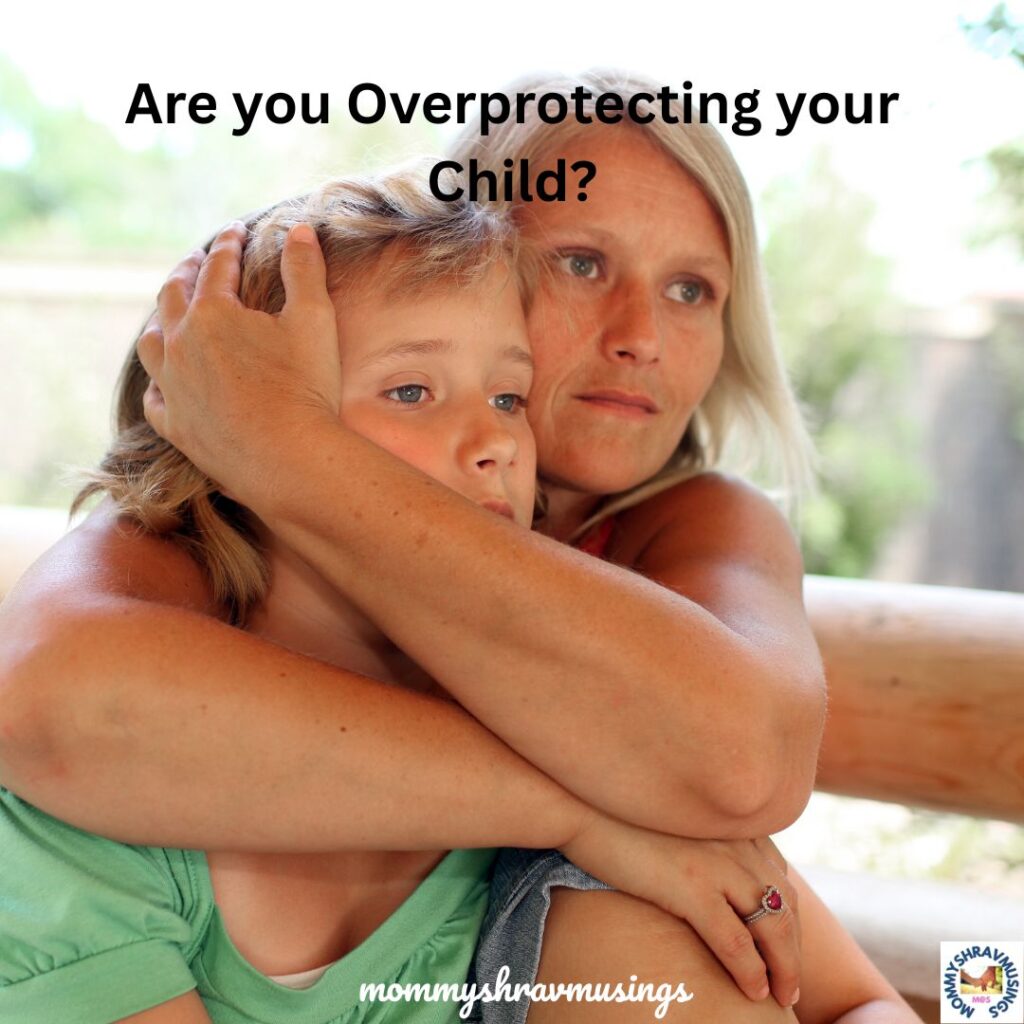
That scene stayed with me because, truth be told, I’ve done the same at times. And maybe you have too.
What Does Overprotecting Really Look Like?
Overprotection doesn’t always manifest as constant hovering around your child. Sometimes, it’s subtle:
- Not allowing your teen to go for a short trip with school friends because “what if something happens?”
- Doing your 10-year-old’s homework because you don’t want them to struggle.
- Calling the teacher immediately when your child has a minor conflict instead of letting them resolve it.
At first, these seem like acts of love. But slowly, they send a different message to the child: “You can’t handle things on your own. You need me to fix everything for you.”
And that’s dangerous—not for today, but for their tomorrow.
Why Overprotection Backfires?
Think about it. The real world is not a bubble. Kids will face rejection, peer pressure, failures, heartbreak, deadlines, unfair teachers, strict bosses, and disappointments. If they never get to face small challenges in childhood, how will they cope with the big ones later?
Picture this: Your 13-year-old wants to take the metro with friends for the first time. Your instant reaction? “No, it’s not safe. I’ll drop you.”
Or your 10-year-old wants to make their own breakfast. Instead of letting them try, you step in and say, “You might burn yourself, I’ll do it.”
This is protection at work. It comes from love, care, and fear of “what if.”
The Upside:
- Children feel secure.
- Parents feel in control.
- Mistakes are avoided (at least for now).
The Downside:
- Children may start doubting their abilities.
- They don’t get the chance to learn problem-solving.
- Independence and resilience take a back seat.
I’ve seen many teens who freeze in front of even minor setbacks because their parents always stepped in earlier. They feel lost, anxious, or even angry at themselves. Their parents’ tendency to overprotect has created a dependency cycle: parents keep stepping in, and children keep waiting to be rescued.
A mother once told me her 11-year-old insisted on walking to the nearby shop alone. She was nervous, but instead of saying no, she gave him explicit instructions: the watchman walks behind you (just to keep an eye on you), and you go alone, complete your shopping, and come back straight.
The boy returned glowing with pride. Not because he bought a pencil, but because he felt trusted.
That is nurturing.

It’s not about leaving kids on their own without guidance. It’s about:
- Trusting them with small responsibilities.
- Allowing them to make mistakes while being there to support.
- Preparing them to face the world, one step at a time.
Why Parents Slip into Overprotection?
Before we learn how to shift our mindset, it is helpful to understand why overprotection occurs.
- Fear of failure: Parents don’t want their children to face disappointment or embarrassment.
- Safety concerns: In today’s world, dangers are real, and fear often outweighs trust.
- Social pressure: Parents want their children to appear successful and capable, so they step in to “fix things.”
- Guilt: Working parents sometimes overcompensate by doing too much for their kids.
Recognizing these reasons is the first step toward change.
How to Stop Being an Overprotective Parent?
This doesn’t mean you have to leave your child to figure everything out on their own. No, nurturing is about walking with them—not ahead of them, not instead of them.
Here are some practical ways to move from an overprotective mindset to a nurturing one:
1. Start Small with Independence
- Allow your child to choose their clothes for the day, even if the colors don’t match.
- Let them order their own food at a restaurant.
- Give them responsibility for packing their school bag.
Small wins build immense confidence.
2. Let Them Fail Safely
Failure is not a monster. It’s a teacher.
If your child forgets their lunchbox one day, don’t rush to school to drop it off. Let them feel the natural consequence of forgetting. Next time, they’ll remember better.
3. Redefine Mistakes as Lessons
When your child spills juice while pouring, resist the urge to scold or take over. Instead, say, “Oops, what can we do differently next time?”
Mistakes aren’t failures; they are stepping stones to learning.
4. Teach Problem-Solving, Not Problem-Running
Instead of jumping into solving fights with friends, guide your child with questions:
- “What do you think you can say to your friend?”
- “How else could you handle it?”
This shifts their mindset from one of dependency to one of independence.

5. Encourage Calculated Risks and show trust in their Abilities:
Whether it’s climbing that slide, joining a new sport, or trying out for a play—support them in trying. Yes, they might stumble, but they’ll also grow stronger. At that time, please use the words to encourage them, instead of scolding them, like:
- “I know you can handle this.”
- “I trust your decision.”
Even if they’re unsure, your belief becomes a confidence booster for them.
6. Set Boundaries with Freedom
It’s not about giving unlimited freedom; it’s about guided freedom.
- Example: Allow your teen to go out with friends, but set a curfew and ask them to keep their phone on.
- Example: Let your child cook, but ensure adult supervision when using the stove.
Freedom with safety nets fosters trust on both sides.
7. Balance Guidance with Freedom
Think of it like holding a kite string. If you hold too tight, the kite can’t fly. If you let go completely, it drifts away. The key is gentle control—enough to guide, but enough freedom to soar. When you feel like stepping in, pause and ask yourself:
- Am I doing this because of my fear, or because my child really isn’t ready?
- What will my child learn if I let them handle this?
- Is my “no” about today’s safety or about my own worry?
Often, these questions reveal that our protection is more about our fears than our child’s needs.
Parting Thoughts:
The Real Gift of Letting Go is giving them our trust. When you practice how to stop being an overprotective parent, you’re not withdrawing love—you’re showing a deeper kind of love. You’re telling your child: “I trust you. I believe in you.”
And that trust builds resilience, courage, and independence—the qualities they need to thrive in today’s world.
Remember, parenting is not about creating a perfectly smooth road for your child. It’s about teaching them how to walk, stumble, get up, and keep moving forward with confidence. Because one day, they’ll walk without us. And when that day comes, we’ll feel proud knowing we didn’t just keep them safe—we helped them become strong.
The next time you step in to protect your child, pause and ask: Am I helping them grow, or holding them back? What small step can I take today to nurture, not control?

Suhasini, IP, is the Author of the book “Practical Tips for Kids Mental Health.” As a certified kids and parents life coach, she helps/guides you toward a happy family life for your kids. You can join her Free Parenting WhatsApp community: “Simplified Parenting with Suhasini” for more such tips.